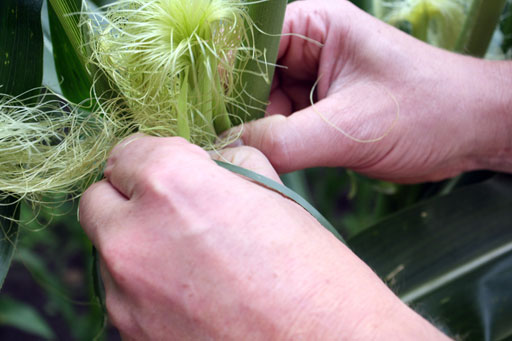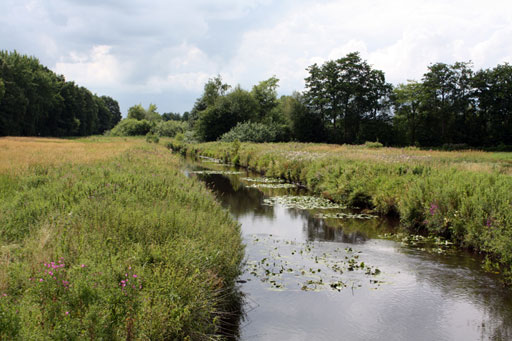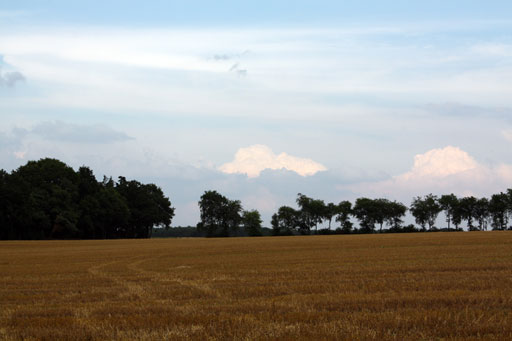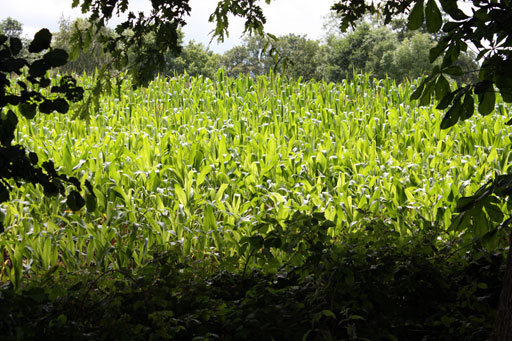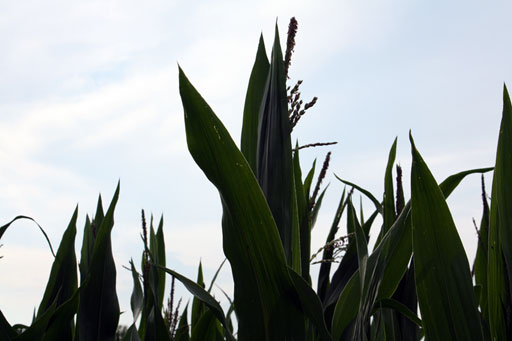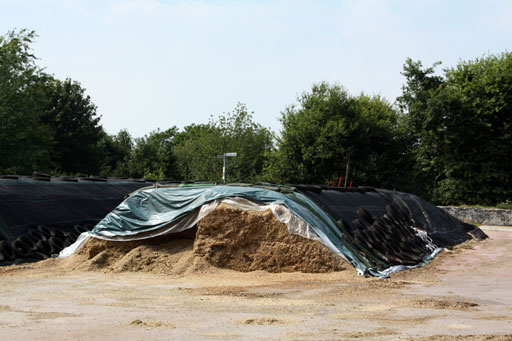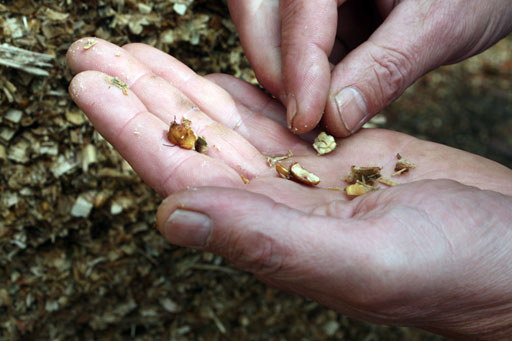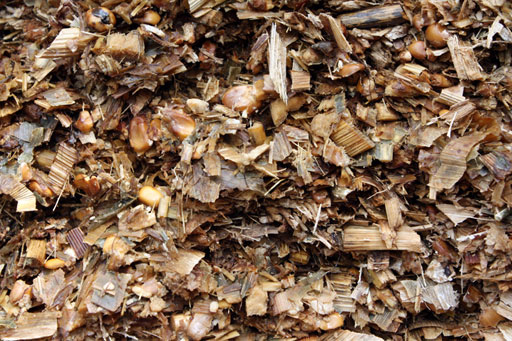


| A-maize-ing As far as he knows, that land has always been farmland. The ground is a bit higher there than at the meadow by the stream. The large house to the right behind the trees has been there for a long time as well. He heard from his father that it used to be a Nazi comradeship home. “But nobody likes to talk about it,” he says. Though the flood basin has worked well for decades, it is unwise to build so close to the stream. The farmer knows that “grass keeps the soil firm” and that is why there are meadows here. But grazing is not usually allowed there because the cows’ hooves damage the ridges. He is not sure whether this ban was introduced for conservation reasons or to avoid the extra costs of keeping the stream clean. The maize definitely disrupts the view, but he has no complaints, because maize is far more productive per square metre than the fodder beets and barley that used to grow there. There are now new types of maize that grow even taller and faster, producing larger crops that can be harvested earlier in the year. Machines strip the chaff from the maize and destroy the kernels. That makes the fodder more digestible for the cattle, which are kept in stables and fed from troughs. All of this and the maize crop have totally transformed the landscape. |