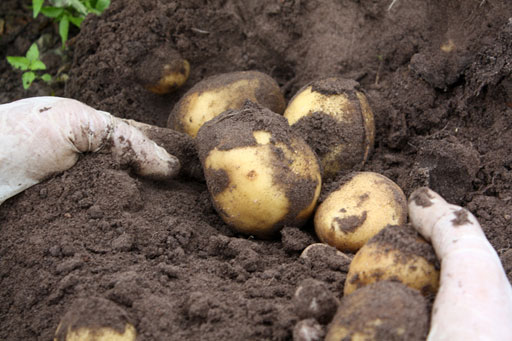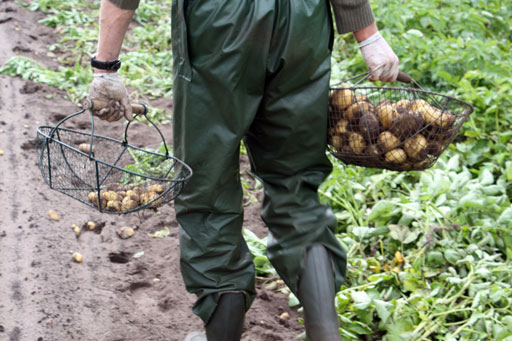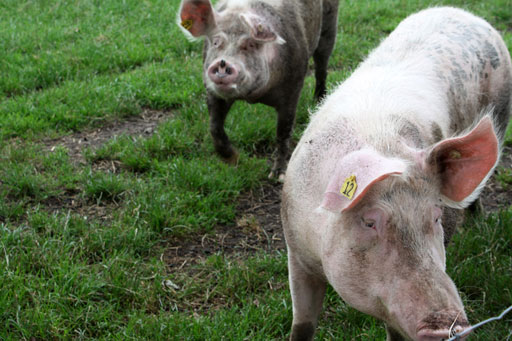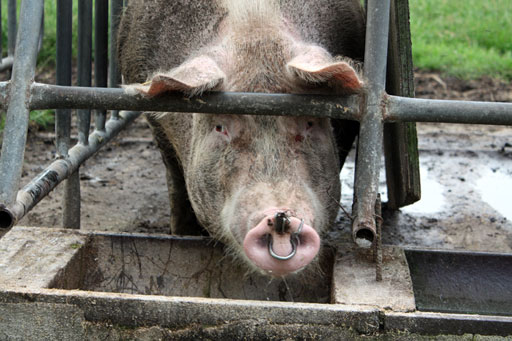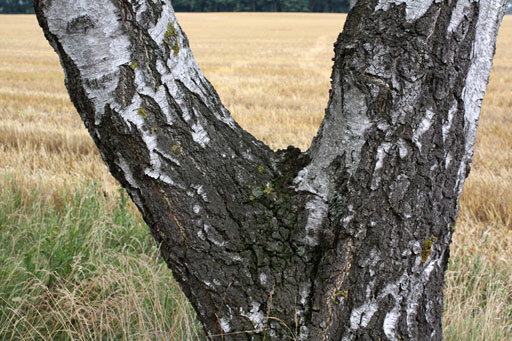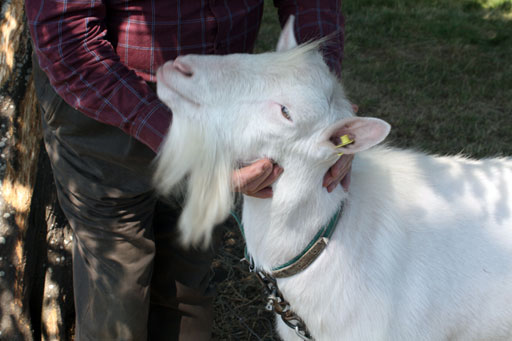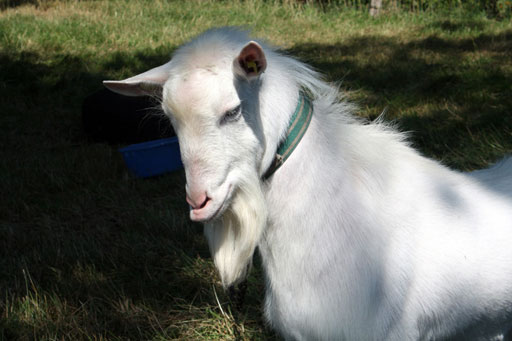
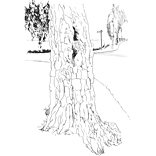


| Food stuff His wife says that this tree is sick and should be felled. But the farmer says that birches are like weeds and simply re-sprout. This street was laid out and planted in the late 1940s. Houses were built on both sides and the children of German refugees and new settlers grew up together here in the 1950s. At that time, the dirt track ended where this birch tree now stands. Horse-drawn carts had to turn around on the pasture and head back towards Postenweg. All that marked the dead end were two dwellings, with small sties for pigs, goats and a cow. Rye was grown to bake black bread. Once a year, the local residents and the farmhands were allowed to thresh small quantities of rye for free. The threshing machine stood on the pasture, where the IRMA grocery store is now situated. They would bring along their rye and catch up with the latest gossip, as the machine pounded rhythmically in the background. The farmer now does his weekly shopping at IRMA. His mother needed only sugar, coffee, tea, and sometimes rice. Everything else was readily available on the farm. It was particularly important to have good potatoes, as they were the main staple of their diet. |